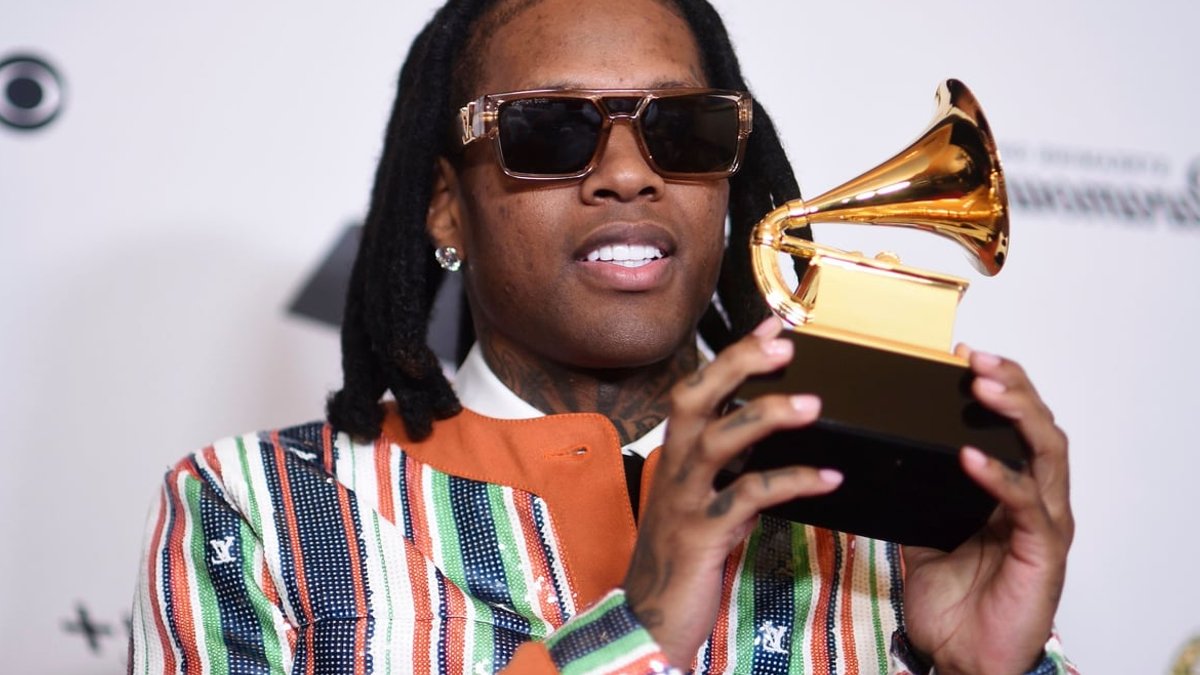
Grammy-winning rapper Lil Durk was found not guilty of federal murder-for-hire charges on Friday in Los Angeles, following a two-week trial. A jury decided he did not orchestrate the killing of 24-year-old Saviay’a Robinson, who was shot during a retaliation attack on rival artist Quando Rondo. Two co-defendants, Deandre Wilson and David Lindsey, were convicted of stalking resulting in death but acquitted of the murder-for-hire counts.
The shooting and the revenge plot
Prosecutors outlined a plot driven by the death of Durk’s close friend, King Von, who was killed in Atlanta following a fight with Quando Rondo. For two days leading up to the shooting, six men tracked Rondo around Los Angeles. When they stopped at a gas station across from the Beverly Center, three men donned ski masks and opened fire on Rondo’s car. They missed their target but struck Robinson, who died shortly after.
Banks, whose real name is Durk Banks, and his co-defendants were charged with stalking and murder-for-hire. Prosecutors argued that Banks’ record label, OTF (Only the Family), functioned as a street gang and that Banks had tasked members with “sliding for Von,” a phrase meaning to take revenge, in exchange for a cash reward. They said Lindsey was one of the shooters and Wilson helped organize the trip.
Read Also: Sheriff’s office ordered to stop racial profiling
The prosecution detailed the movements of the group leading up to the incident, highlighting that a rental car used by the conspirators made multiple trips to Banks’ residence in Encino before and after the violence. They established that financial transactions linked the operation to Banks, specifically noting that plane tickets for the six individuals were purchased by his manager using his personal credit card. These logistical connections painted a picture of a coordinated effort rather than a spontaneous act.
Testimony and defense arguments
Three cooperating witnesses testified against Banks, including Kavon Grant, his former personal assistant who handled logistics for the trip. Grant procured guns and a stolen car, while Keith Jones and Kacey Hester, two of the shooters, said Banks ordered the killing and kept in touch with them during the surveillance. Hester testified that Banks expressed satisfaction with the outcome, noting they had gotten Robinson, known as Lil Pab, even if they missed Rondo.
“Do you think we got him?” Grant recalled Banks asking him hours after the shooting. Grant said he wasn’t sure. Later, when they learned of Robinson’s death, Banks’s reaction was: “Finally, we got somebody.” Defense attorneys blamed Grant, calling him the “mastermind” of the plot who manipulated law enforcement. They also excoriated the cooperating witnesses as “snitches” seeking sentence reductions and argued that investigators had unfairly targeted Banks.
Defense counsel emphasized the unreliability of the government’s evidence, arguing that it was circumstantial at best. The team highlighted that the cooperating witnesses, including Hester, were already in communication with federal authorities and sought leniency in exchange for their testimony. The defense also pointed out that the physical evidence, such as GPS data and financial records, could be explained by innocent business or social activities unrelated to the shooting.
Read Also: France and Vietnam Strengthen Drive for Independent Coalition
Physical evidence presented by the government included GPS data showing trips to Banks’ rental house in Encino before and after the shooting, as well as plane tickets purchased by Banks’ manager using his credit card. Financial records showed the group returned to Chicago hours after the incident. Text messages also linked Banks to the crime; in one, he worried that Hester was “ready to snitch.” Rap lyrics referencing “sliding for Von” were also played for the jury.
Next steps and civil litigation
Banks remained in custody following the verdict, pending a separate federal racketeering trial scheduled for October 5 at the same downtown Los Angeles courthouse. Prosecutors expressed disappointment with the decision, stating they look forward to presenting evidence on racketeering and firearms charges at that trial.
The family of Robinson said they respect the jury’s decision but noted the verdict does not resolve their civil claims. They are pursuing a wrongful death lawsuit against Banks in Illinois’ Cook County. The defense argued that the physical evidence was circumstantial and that the witnesses were unreliable, but the jury found the prosecution’s case insufficient to prove guilt beyond a reasonable doubt.


