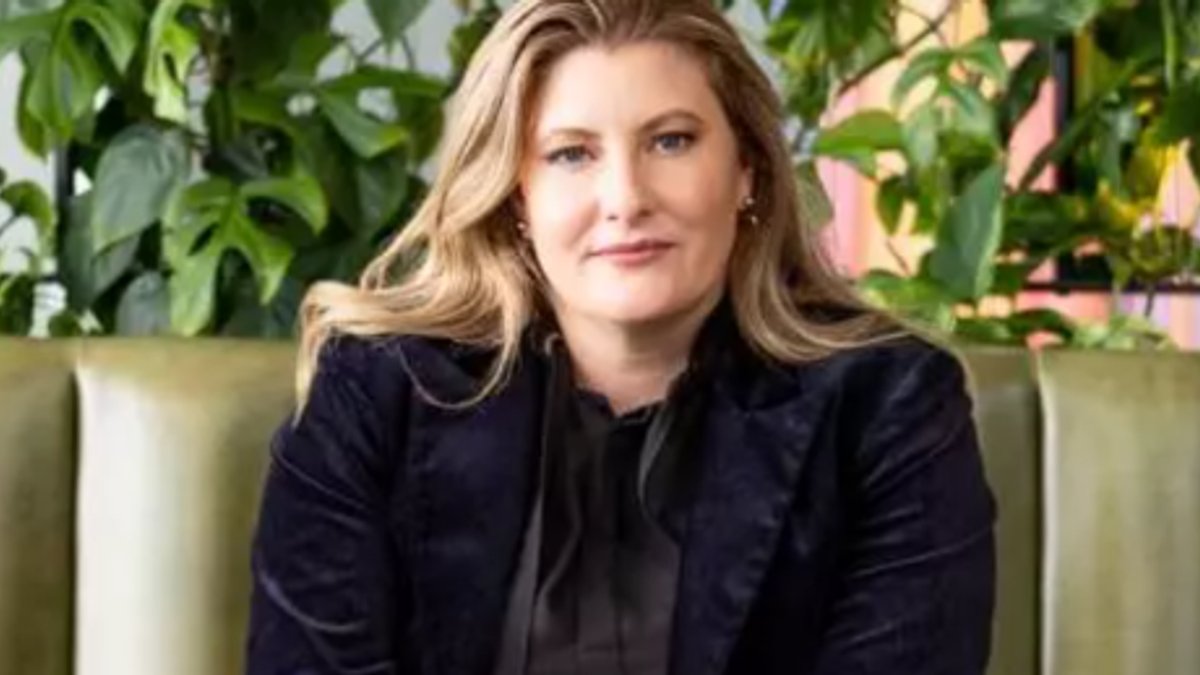
Despite women dominating New Zealand’s judiciary, leading litigation teams at the country’s largest firms, and comprising the majority of legal professionals, former New Zealand Law Society President Jacque Lethbridge observes that high-stakes commercial litigation remains overwhelmingly male-dominated. As head of Martelli McKegg’s dispute resolution team—and the first female partner at two firms—she served as Law Society President in 2022, offering firsthand insight into the profession’s persistent gender disparities.
She notes that while there is real progress, it has stalled in one specific place: large scale commercial litigation cases. Lethbridge says she is often still the only woman in the room in large scale commercial litigation cases, other than now the judges.
The Denominator Problem
Jacque Lethbridge highlights that the Auckland Women Lawyers’ Association survey calculates women’s representation among full-equity partners as a proportion of all partners, rather than focusing solely on equity partners. This approach can unfairly depict firms with a large salaried tier as less equitable, even if women hold a majority of the equity. For instance, at Martelli McKegg, women constitute the majority of equity partners, yet the AWLA’s methodology fails to reflect this accurately.
Lethbridge emphasizes the importance of supporting the AWLA survey and recognizing the role of salaried partnerships as a stepping stone for women. She has witnessed how this pathway has significantly advanced women’s progress. According to the 2026 ALPMA/Fluid Legal Recruitment survey, women make up 54% of salaried partners but only 40% of equity partners in participating New Zealand firms.
As of June 2026, Law Society data shows women comprise 57.5% of lawyers but only 43% of partners and directors. The Gender Equality Charter summary report further reveals that women’s share in equity partnerships at signatory firms remains below 40%. Lethbridge argues that salaried partnerships can serve as a valuable gateway, eliminating initial barriers like the need for a business case to become a partner.
Firms Control Their Own Courtrooms
In her team, a significant portion of litigation is led by women, partly due to a female partner heading the family law team and the high number of women in the group.
She notes that when her team members appear in senior courts, even as second chair, they are given speaking roles. Lethbridge cites two recent Court of Appeal cases: one where a woman from her team led the appeal with a male second chair, and another where the woman, as second chair, argued part of the appeal alongside a male barrister.
Other women are also leading litigation practices, such as Kirsten Massey, who heads Russell McVeagh’s litigation practice, and Sophie East, who heads Bell Gully’s litigation and dispute resolution practice. Lethbridge calls the change since she made partner at Grove Darlow in 2012 “enormous”, but notes that the bench has moved, while the bar has not kept pace.
The New Zealand Bar Association’s gender ratio report found women were 30% of lead counsel in the Court of Appeal and 26% in the Supreme Court over the latest four years. Remove Crown Law, which adopted an equitable briefing policy in 2009, and those figures fall to 22% and 16%. Lethbridge says she cannot help but think gender bias in instruction must be an issue.
She is equally careful to say she cannot point to it in her own practice, which comes from direct client instructions, reverse briefs from barristers, referrals from her own partners, and conflict work from other firms. The Law Society’s 2025 Gender Equality Charter supplementary report found only 37% of signatories had adopted the voluntary target of sending women half of external instructions.
Lethbridge proposes creating more opportunities to profile women in significant commercial litigation, suggesting an annual power list of senior women lawyers, particularly those doing top-tier commercial litigation. This list would measure lead counsel appearances in the senior courts, their leadership of significant commercial matters, and direct client instructions.
Lethbridge endorses the Law Society’s Gender Equality Charter and the AWLA’s efforts to keep gender representation data transparent. She believes the profession must work collaboratively to maintain upward progress. While headcount issues have been addressed and ownership is improving, the next challenge lies in the courtroom, where representation is harder to manipulate.
According to the New Zealand Law Society, women make up 57.5% of lawyers but only 43% of partners and directors. Lethbridge’s own firm, Martelli McKegg, has a majority of women as equity partners.


