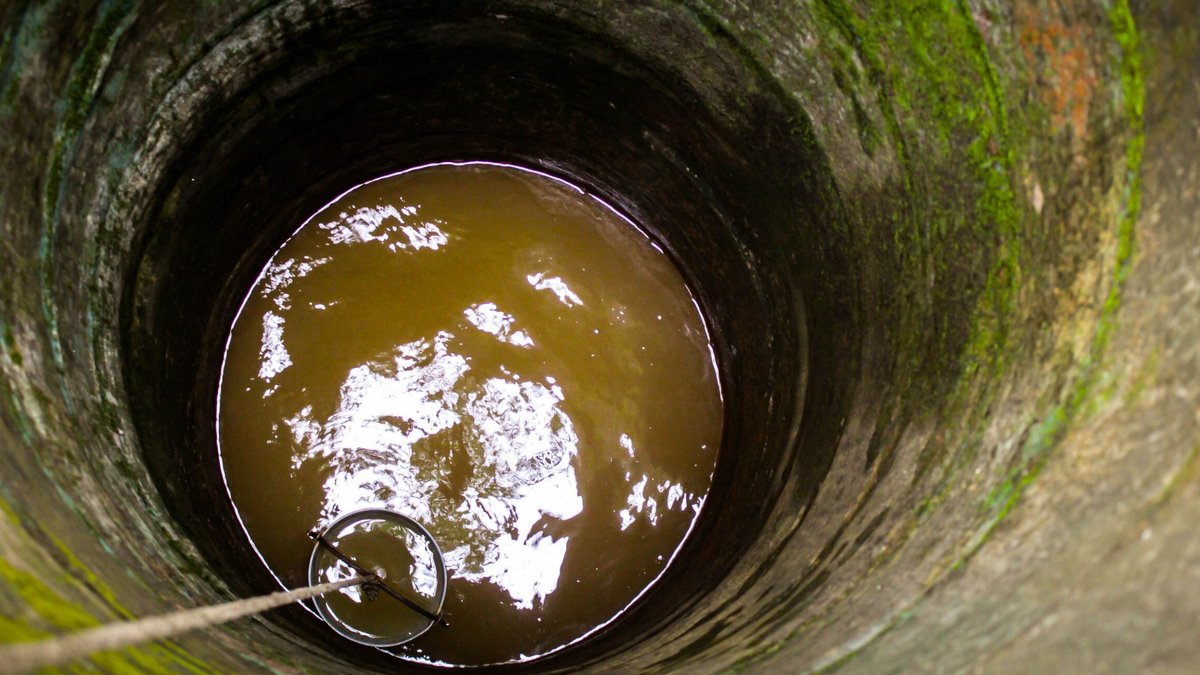
The Endhó Dam sits halfway down the Mezquital Valley in Hidalgo, Mexico, a reservoir that has evolved from a source of clean water into a toxic environment. For decades, it has received the wastewater of Mexico City, turning a planned freshwater source into a hazard for thousands of residents. The situation became known to a wider audience after a video and article in the New York Times titled “Living Next to Mexico’s Toxic Reservoir.” The story highlighted a community that has endured this environment for approximately five decades, a fact that surprised many observers, including the writer who covered it.
From Freshwater to Toxic Reservoir
The Endhó Dam was originally constructed in the 1950s as a freshwater reservoir. It provided clean water for irrigation in the arid Mezquital Valley and supported a pleasant environment for locals. In the 1970s, as Mexico City’s population expanded, federal officials began diverting the capital’s storm runoff and wastewater into the dam. This change meant that for the past 50 years, all wastewater from a metropolitan area of around 20 million people has been dumped into the Endhó Dam.
Each year, the reservoir receives around 326 million cubic meters of largely untreated wastewater, enough to fill over 130,000 Olympic-sized swimming pools. Approximately 60% of this wastewater passes through a treatment plant, but before the treated water reaches the reservoir, it mixes with discharge from a nearby oil refinery and thermopower plant. This mixture creates an environmental and public health crisis. Locals refer to the area as “Mexico’s toilet bowl” and “the world’s largest cesspool,” conditions that have driven a writer who visited the site to describe having “never quite seen something like the Endhó Dam.”
Read Also: California Enacts Laws to Cut Gas Bills
Residents have long sought recognition of the area as an environmental emergency. Yury Uribe, a lifelong resident and activist with El Movimiento Social por la Tierra, has organized her community to demand action from the government. Although the area was declared an ecological restoration zone in 2024, the declaration did not allocate funding for cleanup. This omission leaves the residents to continue managing the fallout of decades of industrial dumping.
The consequences for human health are severe. Cancer rates in the area tripled between 2007 and 2018. Today, communities surrounding the dam report cancer and kidney failure rates that are sometimes double the national average. The dam contaminates the surrounding towns’ wells, which serve as the main source of drinking water. Additionally, the hyacinth growing on top of the water has become a breeding ground for mosquitos, endangering livestock and forcing residents to stay indoors every evening.
Environmental justice advocates describe the Endhó Dam as a “sacrifice zone,” a term that refers to areas where the health and safety of people are sacrificed for the economic gains of others. The low-income farming communities living around the dam, a substantial percentage of whom are Indigenous and primarily from the Otomí Nation, are viewed as expendable. This demographic is sacrificed to protect Mexico City from flooding and to maintain the agricultural productivity of the Tula River region. Dr. Robert Bullard and Beverly Wright, noted environmental justice advocates, explain that these communities suffer because they have “the wrong complexion for protection.”
Read Also: California passes modest EV charger reforms
Global Patterns of Environmental Sacrifice
Similar injustices occur across the globe. In Zambia, ninety-five percent of children in Kabwe suffer from dangerously raised lead levels due to local mining. In Canada, nearly every household in the Aamjiwnaang First Nation community reports high rates of asthma, cancer, and miscarriages. These examples illustrate severe human rights violations.
A Path Toward Justice
First, authorities must prioritize the protection of communities currently living in these zones. Second, they need to allocate resources for cleanup and implement strong regulations. Finally, the Climate Justice Alliance suggests investing in these communities. This investment ensures residents have power over their own futures. The alliance notes that society cannot build a healthy economy if communities are viewed as expendable. The goal is to end the practice of poisoning people in the name of progress.


