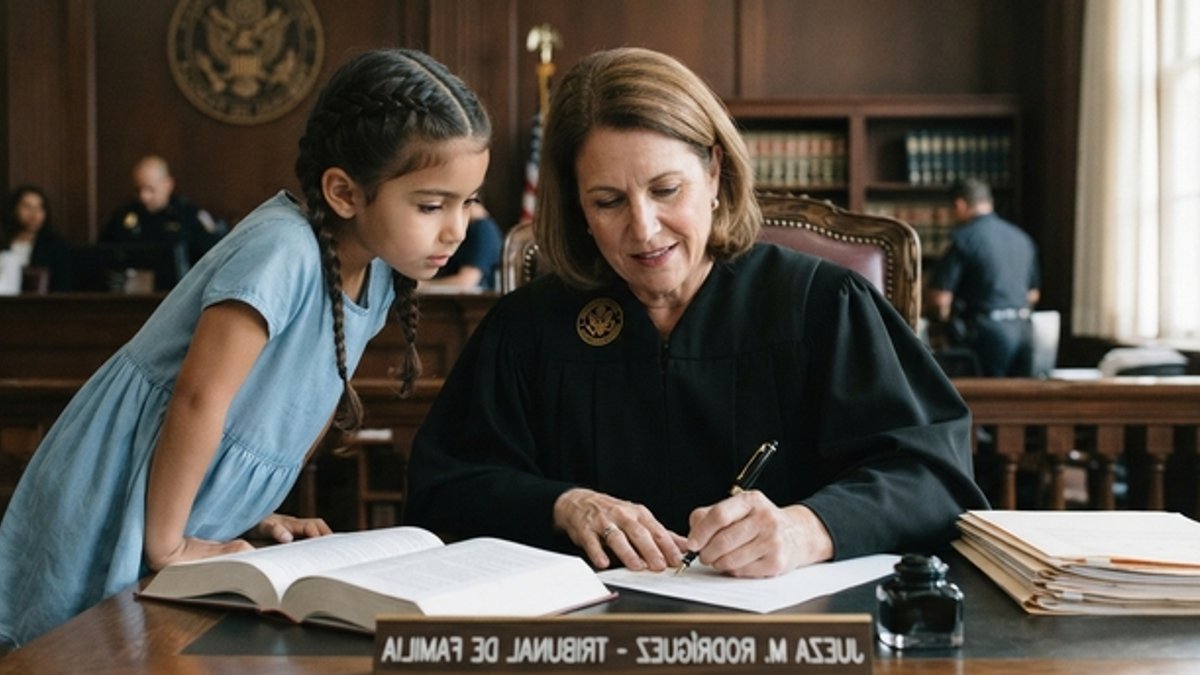
Chile’s family courts are prioritizing clear language to ensure that rulings, notifications, and hearings are easily understood by all parties involved. This approach is particularly important in family law, where individuals often face sensitive conflicts or vulnerable situations, such as cases involving children, adolescents, the elderly, or people with disabilities.
Why Clear Language Matters in Family Courts
In family law, clear language is essential for parties to understand decisions regarding custody, child support, visitation rights, and protection measures. The use of plain language helps to guarantee access to justice and effective legal protection, especially for those in vulnerable situations.
The Chilean judiciary faces a challenge in implementing clear legal language as a means of ensuring effective legal protection. Family law cases often involve unique circumstances due to the vulnerability of the parties involved, whether because of age, gender, or mental health issues. In these instances, court rulings must be communicated in an accessible manner, incorporating easy-to-read sections for the intended recipients.
Implementing Clear Language in Practice
To achieve this, judges are encouraged to use direct language, short sentences, and simple paragraph structures in their rulings. Technical terms should be replaced with everyday words whenever possible, without compromising legal precision. Additionally, providing easy-to-read summaries, letters addressed to children or adolescents, and visual or audiovisual resources can further enhance understanding.
During hearings, judges are advised to communicate clearly, avoid attitude barriers, and confirm that all parties comprehend the scope of the decisions made. This approach recognizes citizens as active participants in the legal process rather than mere subjects.
Chile’s Clear Language Commission
Established in 2015, Chile’s Clear Language Commission promotes understandable resolutions, clear citizen services, and best practices in oral hearings and written texts. In October 2026, the commission’s fourth Clear Language Bulletin identified over 70 rulings that acknowledge clear language as an integral part of the right to comprehension.
In a notable example from Argentina, a judge used plain language in an adoption case, addressing the adopted child directly in the ruling. This approach not only made the decision more understandable for the child but also acknowledged their right to know their history and have access to relevant information when they are ready.
Argentine Judge’s Approach to Adoption Ruling
The judge explained the child’s history, emphasizing that their biological mother did not abandon them but made a loving decision to provide a better life. The ruling assured the child that their adoptive family was chosen with care and that all relevant information, including a letter from their biological mother, would be available when they are ready to access it.
The judge acknowledged the adoptive family’s commitment to respecting the child’s history and identity. This approach ensured the child’s right to understand their background and access information about their origins. The ruling’s clear and direct language aimed to make the decision understandable and supportive for the child.


