The inter-sectional approach helps identify how various factors combine in a case. It ensures real equality under the law. This method is both an analytical and public policy tool. It studies how identity factors, such as gender, ethnic origin, class, disability, age, or sexual orientation, overlap. These intersections can intensify discrimination or restrict access to rights in the same person.
In the Mexican institutional and judicial sphere, it serves to avoid homogeneous responses and design solutions adapted to specific contexts of vulnerability. Instead of treating these categories of vulnerability as isolated sums or applying a single model, this approach seeks to adjust policies, programs, and practices to the concrete realities of each group.
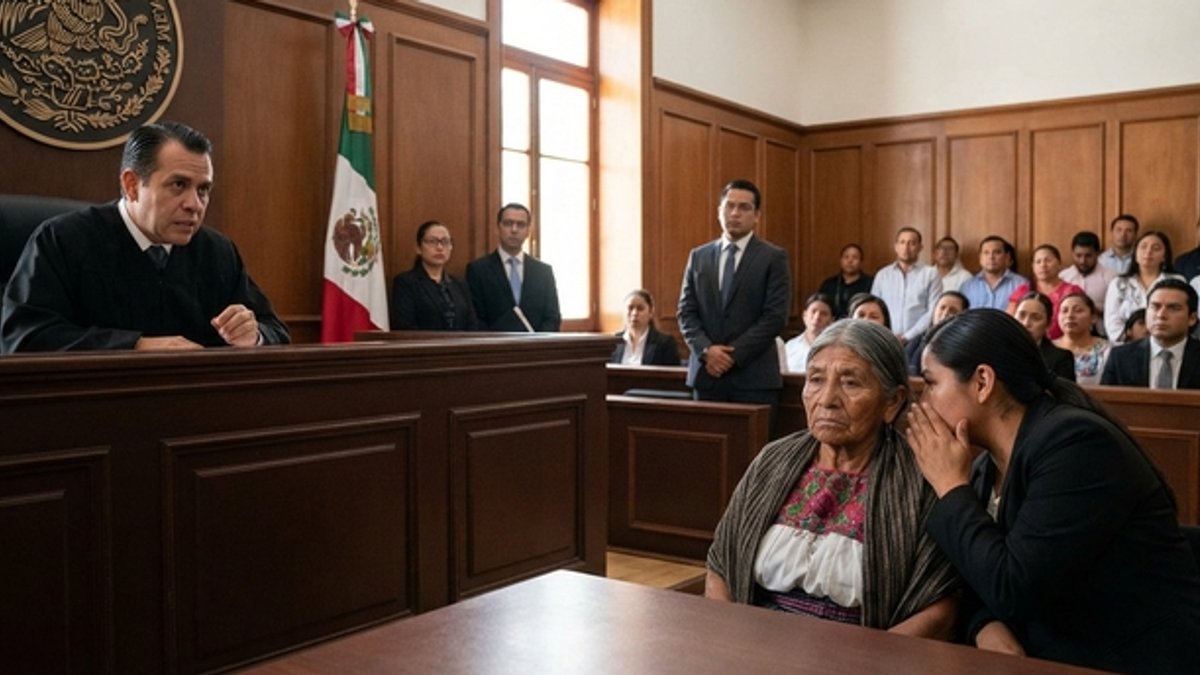
The Supreme Court of Justice of the Nation (SCJN) resolved a case in early November that involved the participation of an indigenous Chinantec woman, an elderly adult and monolingual, in a social program aimed at executing a project for the reproduction and breeding of pigs in her community. The Supreme Court maintained that the case should be analyzed from an inter-sectional approach, as the plaintiff converged different categories of discrimination: being a woman, an elderly adult, a member of an indigenous community, and a speaker of an indigenous language.
Read Also: Executives Lead as AI and Cyber Risks Surge
The judges had to adjust procedural rules to address these circumstances. They aimed to guarantee effective access to justice. Evidence had to be evaluated within the plaintiff’s specific context. Linguistic, cultural, and structural barriers also had to be removed. These barriers often prevent full rights exercise. Courts must actively gather and perfect evidence when structural disadvantage or procedural imbalance exists.
The woman had accessed a social program and when she was subjected to the verification procedure regarding the compliance with the program’s operating rules, observations were derived regarding the execution of the project and a criminal process for the probable commission of the crime of embezzlement, for which she was deprived of her liberty for 78 days. In the case, the Court indicated that the analysis should incorporate the barriers faced by the plaintiff to understand the obligations derived from the social program and the possible consequences of managing public resources.


