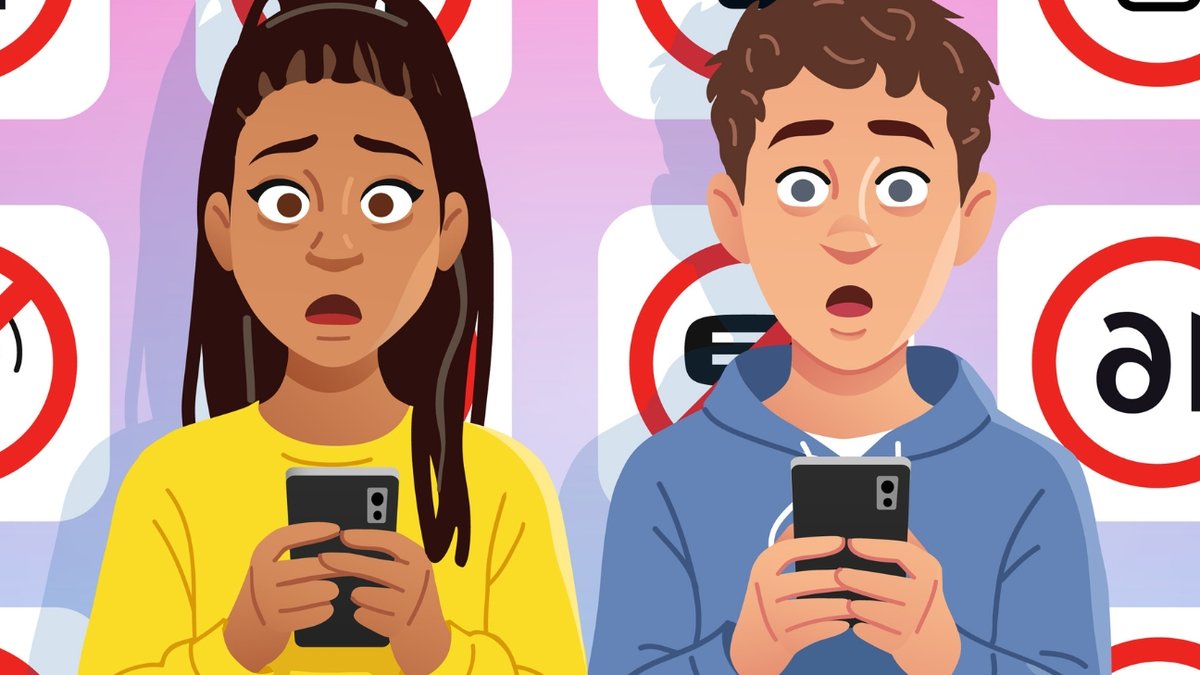
The Online Safety (Minimum Age and Child Safety Risk Assessment) Bill, introduced to Parliament on 24 August 2026 by Education Minister Erica Stanford, aims to restrict social media access for New Zealanders under 16. While government officials frame the proposal as a ban, the legislation functions as a set of managed account restrictions rather than a total prohibition on viewing content.
The statute centers on two primary duties. Clause 11 requires operators of age-restricted platforms to take reasonable steps to prevent those under 16 from holding accounts. Clause 14 mandates that these operators produce an annual, written child safety risk assessment for all users under 18. Enforcement mechanisms include warnings, corrective notices, and fines of up to NZ$40 million or 10% of global turnover.
Related: Kiwi Lawyers Plying Trade Offshore
The proposal faces criticism for its reliance on age-assurance technology. To effectively exclude minors, platforms must verify the age of their entire user base, including adults. This requirement pushes services toward document uploads, facial age-estimation, or behavioral profiling. Each of these methods introduces significant risks to personal data security.
Document verification creates repositories of government-issued IDs, which are vulnerable to data breaches. Facial age-estimation technology has proven inaccurate for adolescents and can be circumvented by simple methods such as drawing on a mustache or altering one’s posture. Furthermore, the mandatory collection of such data creates a centralized link between real-world identities and online activity, a development that complicates the anonymity often used by whistleblowers and dissidents. are watching these developments closely to see how domestic digital privacy standards evolve.
The policy trajectory here mirrors efforts seen in other jurisdictions, where early attempts at regulation have often struggled to balance safety with user privacy. History suggests that when initial legislative barriers are easily bypassed, governments frequently respond with calls for more invasive identification requirements rather than reevaluating the original premise of the law. This pattern of escalating control is a common feature in the global attempt to regulate digital spaces.
Related: How to Wear Sapphire Jewelry for Work and Play
New Zealand is looking to the experiences of Australia and Britain to gauge the potential efficacy of its own legislation. The Bill imports a policy model that has already been trialled next door in Australia and in Britain, and the results are in. The evidence suggests that these measures are often ineffective or create significant hurdles for the general public.
Nevertheless, the reliance on service restriction orders—which would involve blocking platforms at the ISP level—risks forcing the nation toward a more isolated digital environment. The effectiveness of these measures remains a subject of intense debate among policymakers and civil liberty advocates.


